

Online Food Delivery Services Market Set for Explosive Growth, Driven by Digital Adoption
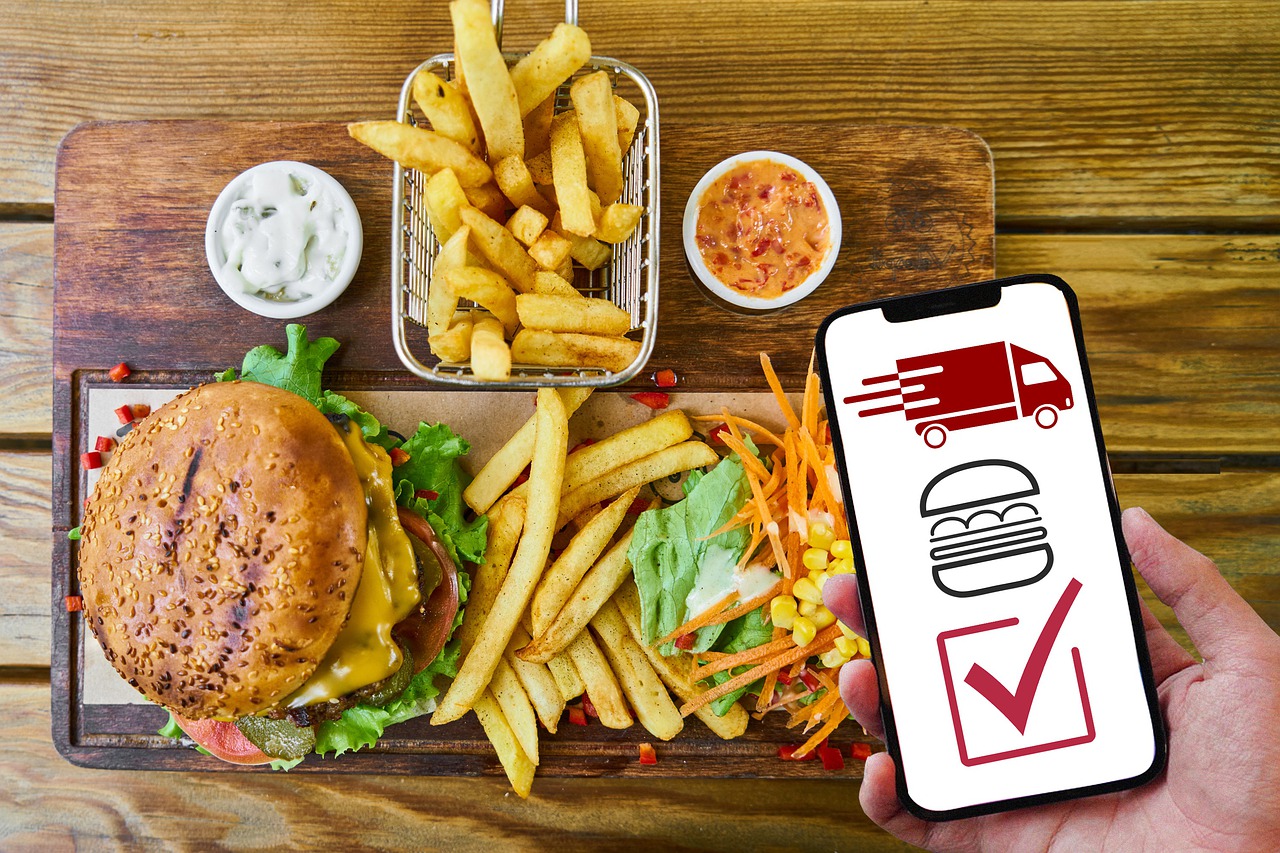
online food delivery services market
Online food delivery services market is growing rapidly driven by digital adoption, urban lifestyles, and expanding platform ecosystems.
LONDON, UNITED KINGDOM, May 28, 2026 /EINPresswire.com/ -- The global online food delivery services market is poised for remarkable expansion over the next decade. Valued at an estimated US$ 326.4 billion in 2026, the market is projected to surge to US$ 806.8 billion by 2033, reflecting a compound annual growth rate (CAGR) of 13.8% between 2026 and 2033. Analysts attribute this rapid growth to rising smartphone penetration, the adoption of digital payment methods, and the expansion of urban populations, all of which are transforming consumer behavior and fueling demand for on-demand meal delivery.
Download Your Free Sample & Explore Key Insights: https://www.persistencemarketresearch.com/samples/33881
Key Industry Highlights
North America currently dominates the online food delivery landscape, accounting for approximately 34% of global revenues in 2025. The region benefits from a mature restaurant ecosystem, high smartphone penetration, and widespread adoption of mobile-based ordering platforms with subscription-style loyalty programs. In contrast, Asia Pacific is emerging as the fastest-growing regional market. Rapid urbanization, widespread adoption of digital payments, and the proliferation of cloud kitchens and quick commerce platforms in countries such as India, China, and key ASEAN nations are driving above-average growth.
Among delivery types, restaurant-to-consumer delivery remains the dominant segment, representing roughly 65% of the market in 2025. This segment continues to thrive due to the integration of brick-and-mortar establishments with cloud kitchen partnerships. Meanwhile, platform-to-consumer delivery is the fastest-growing segment, benefiting from proprietary platforms, virtual brands, and subscription-based models that encourage repeat ordering, particularly in urban centers.
Market Dynamics
The proliferation of smartphones, high-speed internet, and digital payment systems is a major driver of the online food delivery market. According to reports from the International Telecommunication Union (ITU), mobile broadband penetration has exceeded 80% in multiple regions, enabling seamless access to delivery apps. Additionally, countries such as India, Brazil, and several Southeast Asian nations have promoted real-time payment systems, facilitating safe and frictionless online transactions. These developments have made food delivery a routine service for urban consumers, especially among younger populations.
Changing urban lifestyles and the growth of remote and hybrid work models further contribute to demand. Over 55% of the global population now resides in urban areas, where convenience and ready-to-eat meals are highly sought after. Work-from-home arrangements and flexible schedules have increased off-peak meal orders, prompting platforms to offer extended operating hours and subscription perks such as reduced delivery fees and priority delivery slots.
Regulatory scrutiny, particularly regarding gig economy labor practices, poses a notable challenge. Governments and labor authorities in Europe and other regions are reclassifying delivery workers and enforcing minimum payment guarantees and occupational safety standards. While these measures protect workers, they may increase operational costs and compress profit margins for delivery platforms.
Get Custom Insights Designed for Your Businecss: https://www.persistencemarketresearch.com/request-customization/33881
Opportunities in Dark Kitchens and Multi-Service Platforms
The rise of dark kitchens and cloud kitchen networks represents a significant growth opportunity. These facilities operate exclusively for delivery services, enabling restaurants and platform-owned brands to minimize costs and test multiple virtual brands without a physical presence. Platforms controlling supply chains from kitchen operations to rider routing can enhance delivery efficiency, speed, and consistency, creating a competitive advantage over traditional models.
Additionally, integrating grocery delivery and quick commerce into online food platforms is reshaping the market. Multi-service “super apps” that combine food delivery with groceries, medicines, and household essentials increase order value, daily engagement, and customer loyalty. In India and Latin America, platforms are offering ultra-fast grocery deliveries in select cities, leveraging small-format warehouses and advanced routing systems to optimize operations.
Regional Market Insights
North America remains a mature and innovative hub, with platforms such as DoorDash, Uber Eats, and Grubhub leading in subscription services and AI-driven logistics. Europe, marked by regulatory harmonization and stringent labor policies, tests sustainable delivery models through co-operative arrangements and direct employment strategies. Asia Pacific’s rapid urbanization, expanding middle-class population, and adoption of digital payments make it the primary growth engine for the market, with companies like Meituan, Swiggy, Zomato, and Foodpanda expanding into smaller cities and tier-two markets.
Market Segmentation
By Delivery Type
Restaurant-to-consumer
Platform-to-consumer
By Channel Type
Website/Desktop
Mobile Application
By Payment Method
Cash On Delivery
Online
By Region
North America
Europe
East Asia
South Asia & Oceania
Latin America
Middle East & Africa
Checkout Now & Download Complete Market Report: https://www.persistencemarketresearch.com/checkout/33881
Competitive Landscape and Key Developments
The global market is highly competitive, dominated by leading players including Uber Technologies, DoorDash, Zomato, Swiggy, Deliveroo, and Foodpanda. Platforms are increasingly diversifying into cloud kitchens, subscription services, multi-vertical ecosystems, and sustainable delivery solutions such as electric fleets. Notable developments include Swiggy’s 15-minute delivery service “Snacc” expansion in India, Zomato’s similar service in Mumbai and Bengaluru, and Foodora’s drone delivery initiative in Sweden.
As the online food delivery sector continues to evolve, technological innovation, multi-service integration, and regulatory adaptation will define the success of industry players. With convenience and digital connectivity driving consumer demand, the market is set for robust growth and transformation in the coming years.
Read Related REports:
Egg White Substitute Market: The egg white substitute market is set to rise from US$1.5Bn in 2026 to US$2.3Bn by 2033, expanding at a steady 6.2% CAGR during 2026–2033 forecast period.
Margarine Market: The global margarine market is projected to grow from US$19.4 Bn in 2026 to US$26.8 Bn by 2033, registering a CAGR of 7.5%.
Persistence Market Research
Persistence Market Research Pvt Ltd
+1 646-878-6329
email us here
Visit us on social media:
LinkedIn
Instagram
Facebook
YouTube
X
Legal Disclaimer:
EIN Presswire provides this news content "as is" without warranty of any kind. We do not accept any responsibility or liability for the accuracy, content, images, videos, licenses, completeness, legality, or reliability of the information contained in this article. If you have any complaints or copyright issues related to this article, kindly contact the author above.
